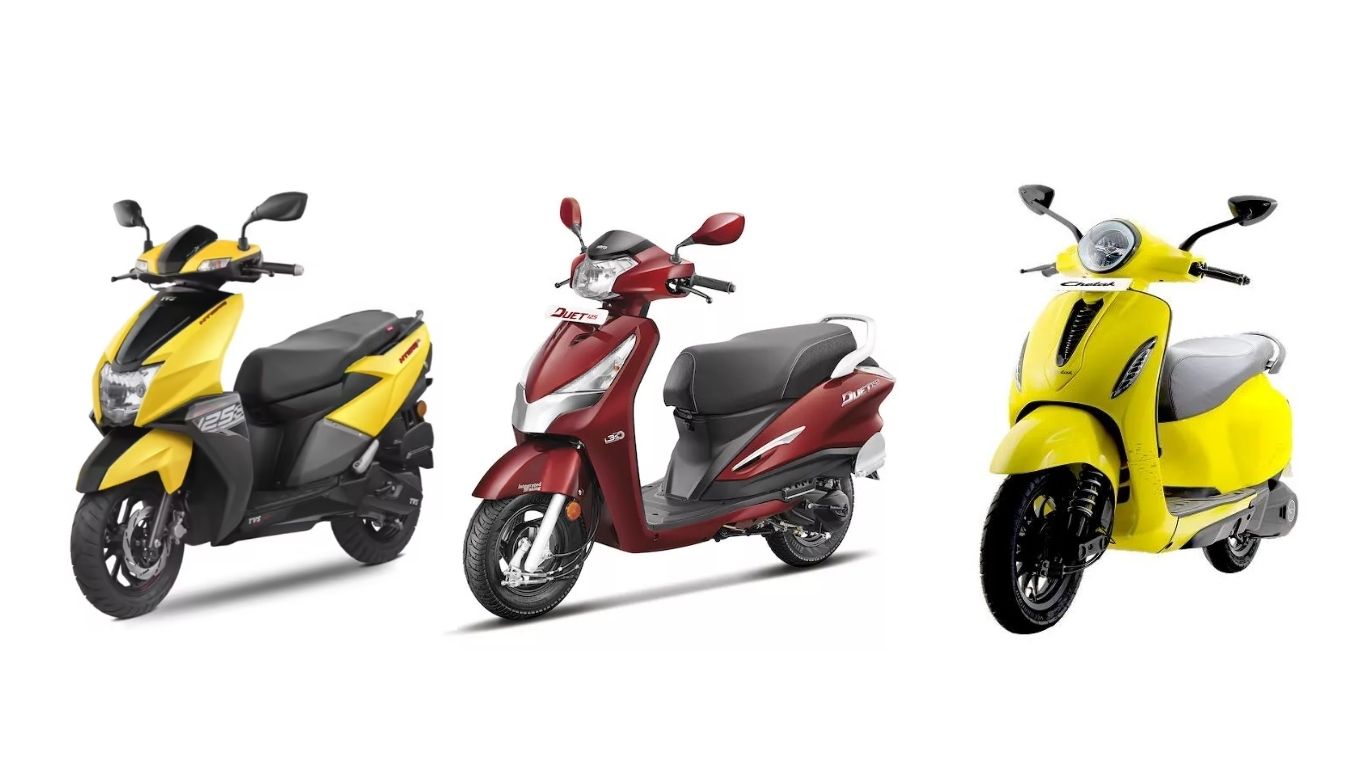
TVS, Bajaj, and Hero are rapidly tightening their grip on India’s electric scooter market in 2026. As the electric two-wheeler segment matures, legacy manufacturers now command over 60% market share, marking a decisive shift from startup dominance. Backed by vast dealership networks, stronger supply chains, and trusted brand value, these established players are winning mainstream buyers who prioritize reliability, service support, and long-term ownership confidence.
TVS, Bajaj & Hero Cross 60% Market Share in Electric Scooter Segment
The electric two-wheeler market in India has clearly entered a new phase. While startups once dominated headlines, traditional manufacturers have now reclaimed control. According to JATO Dynamics data, legacy brands accounted for nearly 60% of total electric scooter sales by the first month of calendar year 2026.
Moreover, this shift did not happen overnight. Instead, it reflects a gradual transition in buyer behavior and operational scale advantages. Companies like TVS Motor Company, Bajaj Auto, and Hero MotoCorp leveraged their long-standing presence in the Indian two-wheeler market to accelerate electric mobility adoption.
Meanwhile, startups that once thrived on innovation and aggressive pricing now face challenges in scaling service networks and ensuring consistent product reliability. Consequently, the balance of power has tilted toward established OEMs.
Why Legacy Manufacturers Are Gaining Ground
Traditional automakers enjoy structural advantages that startups often struggle to match. Firstly, they operate expansive nationwide dealership networks, which ensures easy access to test rides, servicing, and spare parts. Additionally, their deep vendor ecosystems allow smoother production ramp-ups.
Furthermore, manufacturing capacity plays a crucial role. Large OEMs can quickly adjust production volumes based on demand trends. Therefore, they respond faster to supply bottlenecks and policy shifts.
On the other hand, several new-age EV brands still build service infrastructure from scratch. As a result, customers in smaller towns sometimes experience delays in repairs or parts availability. This gap has directly influenced consumer trust.
Importantly, buyer priorities have evolved. Earlier, early adopters focused on innovation, design, and introductory pricing. However, mainstream customers now emphasize reliability, long-term ownership cost, resale value, and dependable after-sales support. Consequently, trusted brands are benefiting the most.
TVS Motor Company Electric Scooter Growth in FY26
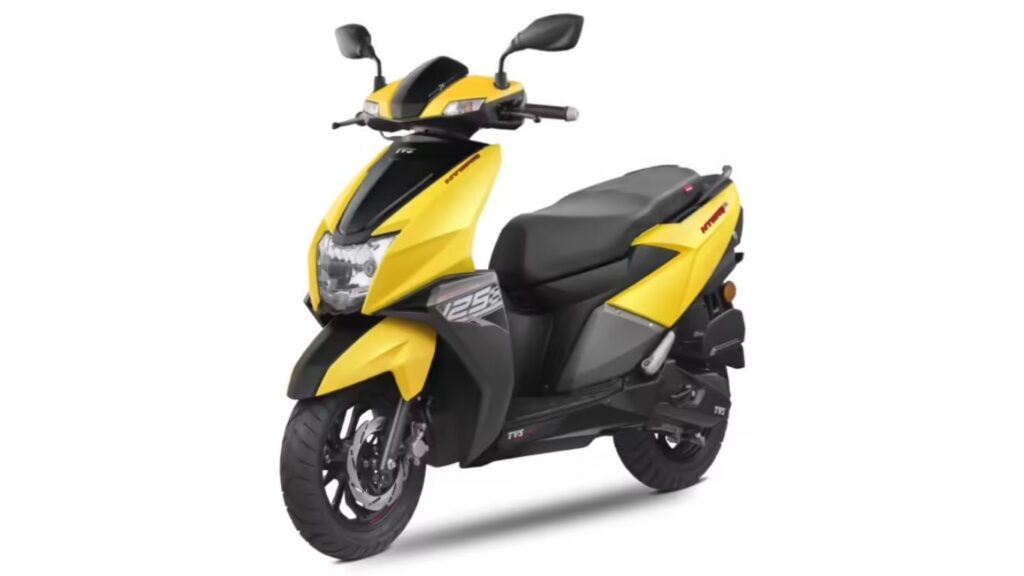
TVS Motor Company, headquartered in Hosur, has emerged as one of the biggest beneficiaries of this transformation. The company expanded its electric portfolio with models such as the iQube and Orbiter, while simultaneously strengthening supply chains.
As a result, TVS crossed a major milestone in Q3 FY26 by selling over one lakh electric scooters in a single quarter. This achievement reflects not just demand strength but also operational discipline.
Even when earlier supply disruptions affected production, TVS maintained momentum. Moreover, the brand strategically targeted multiple customer segments—from urban commuters to family buyers—thereby widening its addressable market.
| Brand | Key Strategy |
|---|---|
| TVS Motor Company | Portfolio expansion, strong supply chain, multi-segment targeting |
| Bajaj Auto | Expanded Chetak range, sourcing stabilization |
| Hero MotoCorp | Dealer-backed Vida network expansion |
Bajaj Auto Electric Scooter Recovery and Chetak Expansion
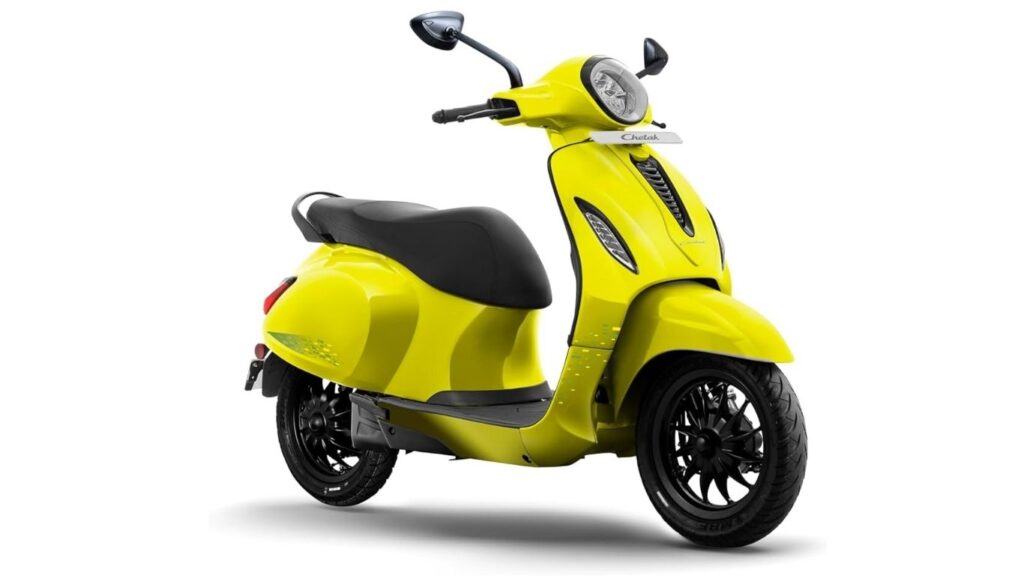
Bajaj Auto also staged a notable comeback. Earlier, battery procurement constraints temporarily disrupted its production schedule. However, the company quickly stabilized sourcing channels.
Subsequently, Bajaj scaled output again and recorded a strong rebound in the December quarter. Therefore, it successfully reclaimed the second position in electric scooter volumes.
Additionally, the expanded Chetak lineup helped Bajaj attract both premium and mid-range buyers. The company focused on build quality and classic styling, which further reinforced brand appeal.
Hero MotoCorp and the Evolving Competitive Landscape
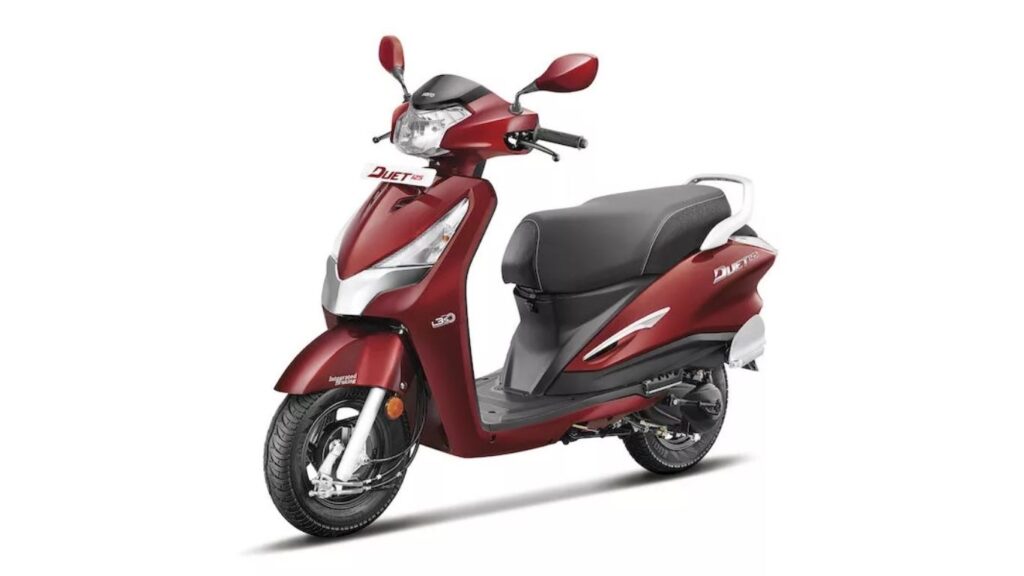
Hero MotoCorp strengthened its electric presence through its Vida platform. Although competition intensified, Hero leveraged its extensive dealership reach to improve service penetration.
Meanwhile, startup performance has remained mixed rather than uniformly weak. Ather Energy delivered encouraging quarterly gains, driven largely by demand for its family-focused Rizta model and improved operational efficiency.
However, Ola Electric faced significant market share erosion. Challenges in scaling service infrastructure and maintaining consistent customer experience affected consumer confidence. Consequently, its leadership position weakened.
Electric Two-Wheeler Market Outlook in 2026
Despite intense rivalry, the electric scooter segment still remains at a relatively early stage compared to India’s broader two-wheeler market. Therefore, significant growth potential remains untapped.
Adoption continues to rise steadily due to safer battery technologies, improved charging access, better resale value, and supportive government policies. Moreover, infrastructure expansion in Tier 2 and Tier 3 cities further supports penetration.
Looking ahead, established manufacturers appear well-positioned to maintain dominance. However, startups that successfully strengthen service networks and improve customer experience could still regain momentum. Ultimately, consistent execution will determine long-term leadership.
FAQs
What is the current market share of TVS, Bajaj and Hero in the electric scooter segment?
Together, legacy manufacturers like TVS, Bajaj and Hero account for over 60% of India’s electric scooter market in early 2026.
How many electric scooters did TVS sell in Q3 FY26?
TVS Motor Company sold over one lakh electric scooters in a single quarter during Q3 FY26.
Why are traditional brands gaining dominance in the EV market?
Traditional brands benefit from nationwide dealership networks, strong supply chains, manufacturing scale, and trusted after-sales service.
Which electric scooter models are driving growth for Bajaj?
Bajaj’s expanded Chetak range has played a key role in its recovery and volume growth.
Is the electric two-wheeler market still growing in India?
Yes, the segment continues to expand due to improving technology, infrastructure growth, and supportive policy measures.