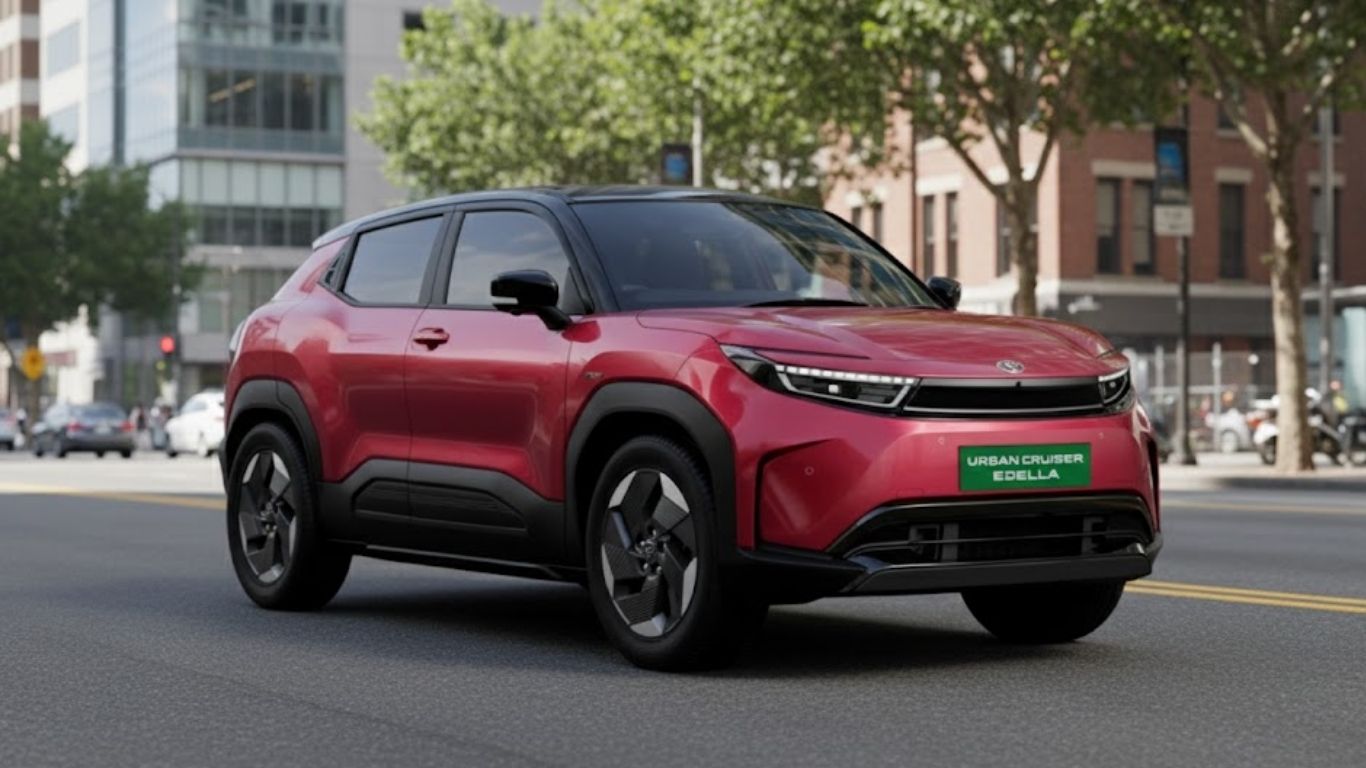
India’s automotive industry is changing fast, and so is the way cars are launched. Increasingly, brands are adopting a two-stage launch strategy, first revealing the design and features, and then announcing the price weeks later. While this approach extends media buzz, it is quietly backfiring in India’s digital-first and price-sensitive car market. Because today, perception spreads faster than official information, and once expectations form, correcting them becomes difficult.
Two-Stage Car Launch Strategy in India: What’s Happening?

In recent months, several automakers have followed this staggered launch format. First, they showcase the exterior design, interiors, features, and powertrain details. However, they hold back pricing to build anticipation.
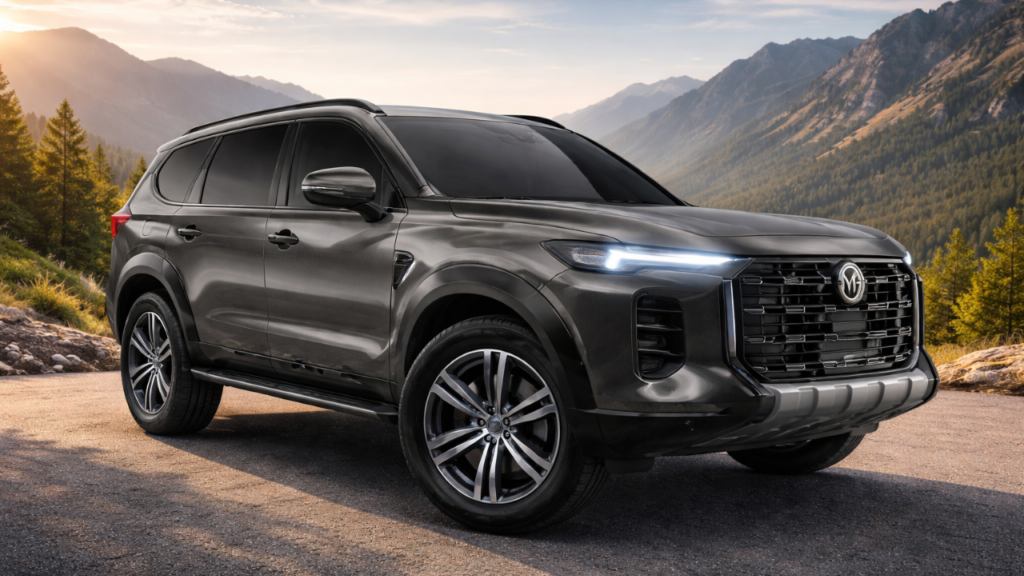
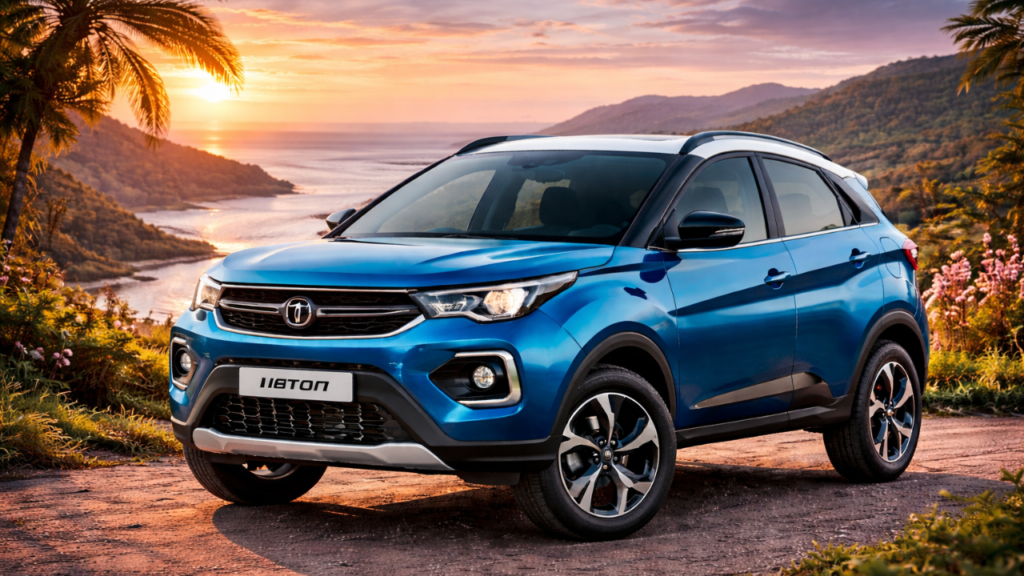
Models like the returning Renault Duster, the electric Maruti Suzuki e Vitara, Toyota Urban Cruiser Ebella, Volkswagen Tayron R-Line, and MG Maestro have adopted this reveal-first, price-later strategy. Meanwhile, premium models such as the Mercedes-Benz CLA Electric also follow similar communication tactics in global markets.
Although the intention is clear, stretch media coverage and keep conversations alive the execution creates a gap. And in India’s hyper-connected ecosystem, gaps rarely stay empty.
Price Vacuum and Speculation: The Hidden Risk
When brands skip pricing during the reveal, they unintentionally create an information vacuum. Consequently, auto content creators step in with “expected price” breakdowns. Moreover, YouTube algorithms push optimistic price thumbnails because they attract clicks.
As a result, speculative figures circulate widely. Over time, those unofficial numbers turn into psychological reference points for buyers. Therefore, even before the official price arrives, the market has already “decided” what the vehicle should cost.
Once the brand finally announces pricing, consumers do not judge it independently. Instead, they compare it to the number they heard weeks earlier.
Anchoring Effect in India’s Price-Sensitive Market
India remains one of the most value-conscious automotive markets globally. Buyers compare features, resale value, and EMI calculations before making decisions. Additionally, many customers plan their purchases months in advance, which makes early pricing signals extremely influential.
Behavioral economics explains this through the anchoring effect. Simply put, the first number consumers hear strongly influences their perception of fairness. For example, if speculation suggests ₹10–15 lakh and the final price lands at ₹13–17 lakh, the vehicle may feel expensive, even if it offers segment-leading features.
Importantly, this reaction does not indicate product weakness. Instead, it reflects expectation mismatch. Consequently, the narrative quickly shifts from “strong product” to “overpriced launch.”
Digital Amplification: Why Silence Is No Longer Neutral
Today, the creator economy dominates automotive research in India. Meanwhile, preview videos and speculative content gather millions of views before brands reveal official pricing.
Therefore, by the time dealerships open bookings, public perception may already be shaped. Dealers then spend time correcting misinformation rather than highlighting product strengths. Additionally, social media amplifies disappointment faster than traditional PR can respond.
In India’s competitive car market, perception quickly becomes reality. And once that perception turns negative, reversing it requires significant effort.
Market Reality: Aspirational Yet Budget-Conscious Buyers
India represents a unique mix of aspiration and affordability. On one hand, consumers demand premium features like ADAS, large touchscreens, panoramic sunroofs, and electric mobility. On the other hand, they remain highly sensitive to pricing.
Consequently, even a small price difference can influence booking decisions. Moreover, since EMI planning plays a major role in purchasing, speculative pricing directly affects financial expectations.
In addition, once social media discussions normalize a particular price range, changing that perception becomes challenging.
How Automakers Can Improve Launch Strategy
Although the two-stage strategy is not inherently flawed, brands must adapt it to India’s digital landscape. Therefore, manufacturers could:
- Provide a credible price band during the initial reveal.
- Reduce the gap between reveal and official pricing.
- Clearly communicate the vehicle’s value positioning upfront.
- Engage proactively with the creator ecosystem to control narratives.
Furthermore, brands should treat launch communication as strategic reputation management rather than just marketing. Because in today’s environment, narrative control directly impacts booking momentum.
Conclusion
The products themselves, from the Renault Duster’s comeback to the Maruti Suzuki e Vitara’s electric push and the premium Mercedes-Benz CLA Electric, are strategically strong. However, in India’s digital era, product quality alone does not guarantee success.
Today, launch strategy defines brand narrative. Narrative shapes consumer perception. And perception ultimately drives sales momentum.
Therefore, automakers must recognize that silence carries a cost. Sometimes, that cost exceeds the difference between expectation and sticker price.
FAQs
What is the two-stage car launch strategy?
It is a launch approach where brands reveal the design and features first and announce the price later.
Why is this strategy risky in India?
Because delayed pricing creates speculation, which leads to unrealistic expectations and negative perception if the final price differs.
What is the anchoring effect in car pricing?
The anchoring effect is a behavioral bias where the first price consumers hear becomes their mental reference point.
Which brands have recently used this strategy?
Renault, Maruti Suzuki, Toyota, Volkswagen, MG, and Mercedes-Benz have followed reveal-first, price-later formats.
How can automakers improve their launch communication?
They can share a realistic price band early, shorten pricing delays, and manage digital narratives proactively.
SEE ALSO:
- Tata Sierra EV India Launch Confirmed for April–June 2026 | Platform, Battery & Segment Details
- New Isuzu D-Max V-Cross 2026: Full Specs, Variants, Price & Key Changes
- Renault Strengthens Hybrid and EV Portfolio in Challenging European Market
- Nissan Gravite Variant-Wise Features Explained: Visia to Tekna Full Breakdown
Apart from this, on AutoTrend, we will bring you every new update related to upcoming car launches, India price details, and launch coverage. So, stay connected with us.