Renault is doubling down on electric and hybrid vehicles in Europe despite slowing consumer demand and tightening margins. While many automakers are rethinking their EV strategies, Renault is pushing ahead with new models under its aggressive electrification roadmap. However, this expansion comes at a time when profitability is under pressure and market conditions remain challenging. So, what does this mean for Renault’s future in Europe? Let’s break it down.
Renault Electric and Hybrid Vehicle Expansion Strategy in Europe

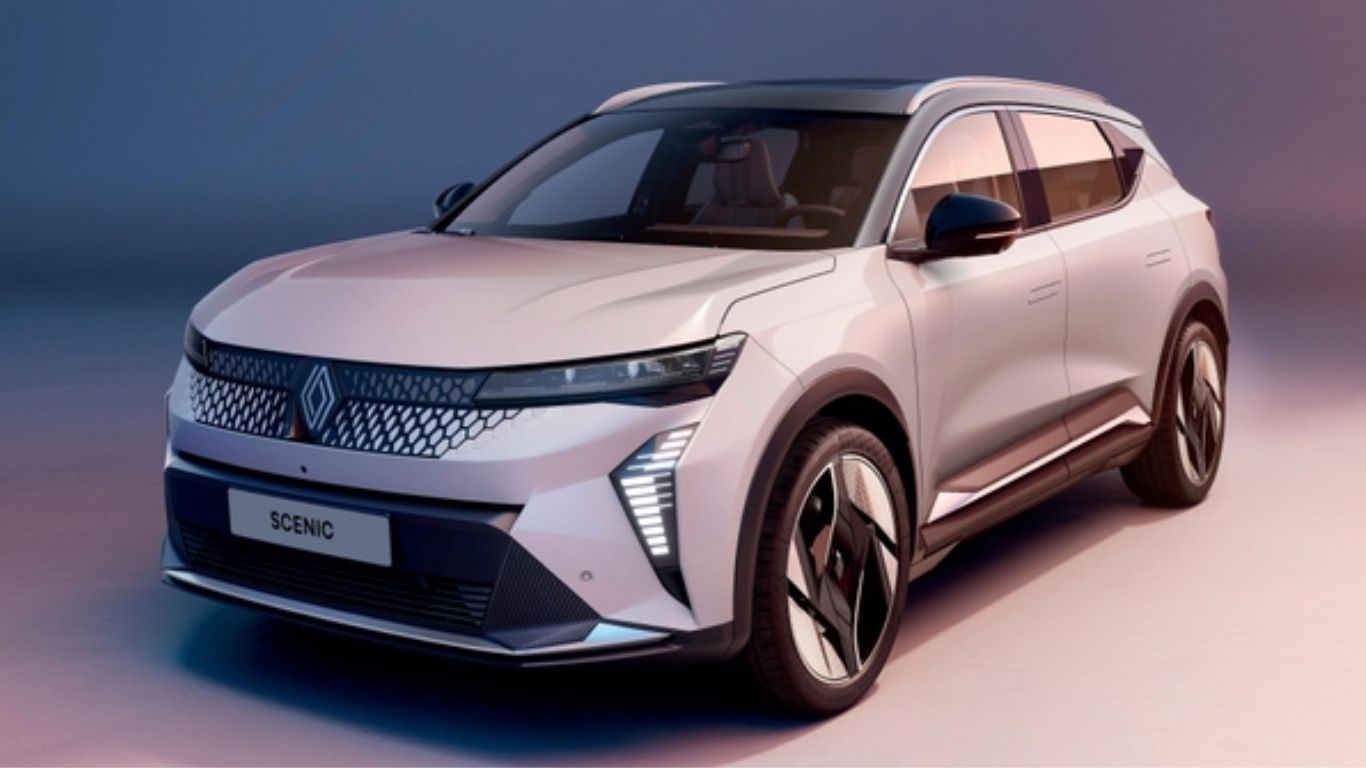
French automaker Renault has confirmed that it will “renew and enlarge” its electric and hybrid lineup across Europe. Although some European buyers still hesitate to shift from combustion engines to electric mobility, Renault believes the long-term trend strongly favors electrification.
Moreover, the company sees electrified mobility as essential to meeting stricter European emission regulations. Therefore, instead of slowing investments, Renault is accelerating product development. Additionally, it plans to introduce new EVs and hybrid variants across multiple segments to capture a broader customer base.
Meanwhile, this strategy sharply contrasts with rival Stellantis, which recently announced a massive €22 billion write-down of its EV operations after reassessing consumer demand. However, Renault remains confident that its diversified electrified portfolio will pay off over time.
Renault Sales Growth and EV Performance in 2025

Despite industry headwinds, Renault delivered solid revenue growth last year. The company reported total sales of €58 billion, marking a 3 percent year-on-year increase. More importantly, electric vehicle sales surged by 77 percent, while hybrid EV sales grew by 35 percent.
Consequently, EVs now account for 14 percent of Renault’s total sales volume. In addition, hybrid vehicles represent a strong 30 percent share. Together, electrified vehicles form a significant part of Renault’s overall portfolio.
| Category | Performance Data |
|---|---|
| Total Revenue | €58 billion (+3%) |
| EV Sales Growth | +77% |
| Hybrid Sales Growth | +35% |
| EV Share of Volume | 14% |
| Hybrid Share of Volume | 30% |
Furthermore, CEO Francois Provost stated that this performance validates Renault’s product strategy and brand strength. He took over leadership after Luca de Meo moved to luxury group Kering, and since then, he has reinforced the company’s electrification roadmap.
Renault Operating Margin and Profitability Challenges
Although revenue improved, profitability told a different story. Renault’s operating margin fell to 6.3 percent last year, down from 7.6 percent in 2024. This decline largely reflects lower margins on electric vehicles compared to traditional fossil fuel-powered models.
Moreover, Renault has already warned investors that its operating margin could drop further to 5.5 percent this year due to what it calls a “highly challenging environment.” Rising production costs, competitive pricing pressure, and slower EV adoption are key contributing factors.
At the bottom line, Renault reported a net loss of €10.8 billion. However, this figure primarily reflects a significant write-down of its stake in Nissan. Without that one-time charge, net profit would have stood at €715 million, although that still represents a 74 percent decline year-on-year.
Renault Cost Reduction Strategy and Market Reaction
Given the margin pressure, Renault has made cost reduction a top priority for 2026 and beyond. Therefore, management plans to streamline operations, improve production efficiency, and optimize supply chains.
Additionally, the company aims to balance electrification investments with financial discipline. While EV expansion continues, Renault intends to protect cash flow and maintain long-term sustainability.
Meanwhile, investors reacted cautiously. After opening slightly higher, Renault shares dropped 3.4 percent on the Paris stock exchange. Consequently, the market appears concerned about shrinking margins despite strong EV growth.
What Renault’s Electrification Offensive Means for Europe
Looking ahead, Renault’s electrification offensive signals a firm commitment to Europe’s green mobility transition. Although consumer hesitation remains, stricter regulations and infrastructure improvements will likely accelerate EV adoption in the coming years.
Furthermore, hybrids offer Renault a practical bridge strategy. Since hybrids currently account for 30 percent of sales volume, they provide steady revenue while full EV demand matures.
In conclusion, Renault faces short-term margin pressure; however, it continues to invest aggressively in electric and hybrid vehicles. While profitability may remain tight in the near term, Renault believes that long-term growth lies firmly in electrification. Therefore, its expanded lineup could position the brand strongly as Europe moves toward cleaner mobility.
FAQs
Why is Renault expanding its electric and hybrid vehicle range in Europe?
Renault is expanding its electrified lineup to meet stricter European emission norms and capture long-term growth in EV and hybrid demand.
How much did Renault’s EV sales grow last year?
Renault’s electric vehicle sales increased by 77 percent year-on-year.
What percentage of Renault’s sales come from hybrids?
Hybrid vehicles account for 30 percent of Renault’s total sales volume.
Why did Renault report a net loss?
The company reported a net loss mainly due to a write-down of the value of its stake in Nissan.
What is Renault’s expected operating margin this year?
Renault expects its operating margin to fall to around 5.5 percent in a challenging market environment.
SEE ALSO: Nissan Gravite Variant-Wise Features Explained: Visia to Tekna Full Breakdown